What Uses the Most Electricity in Sydney Homes?
Electricity bills are one of those household costs that seem to creep up quietly. Many Sydney homeowners assume the biggest culprit is the air conditioner or oven. Sometimes that is true. Often, it is not.
After more than 60 years working in residential properties across Sydney, Faraday Group has seen a consistent pattern. The appliances that use the most electricity are not always the ones people expect. Understanding where your power goes is the first step toward reducing waste, improving efficiency, and avoiding unnecessary stress when the quarterly bill arrives.
With electricity pricing structures becoming more complex across NSW, having accurate usage data is more important than ever.
The NSW Government provides guidance on managing household electricity consumption and improving energy efficiency.
But first, let’s take a practical look at what really drives electricity use in Sydney homes, and what you can do about it.
What Uses the Most Electricity in Sydney Homes?
In most Sydney households, the highest electricity consumption typically comes from:
- Air conditioning and heating systems
- Electric hot water systems
- Pool pumps and outdoor equipment
- Clothes dryers
- Ovens and cooktops
- Refrigerators
- Always-on standby devices
The key factor is not just wattage. It is how long an appliance runs. A high-powered oven used for one hour a day may cost less than a hot water system running continuously on peak tariff.
This is where many homeowners are caught out.
Air Conditioning and Heating in Sydney Homes
Air conditioning is one of the largest contributors to electricity usage in Sydney homes, particularly in properties with ducted systems.
Reverse-cycle systems are efficient compared to older models, but they still draw significant load during operation. Ducted systems, especially in larger homes, can consume far more electricity than split systems servicing one or two rooms.
What increases consumption?
- Poor insulation
- Dirty filters
- Oversized systems
- Running units in empty rooms
- Using peak tariff periods unnecessarily
Smart meters allow homeowners to see usage spikes during peak cooling or heating times. If you are on a time-of-use tariff through providers such as Origin Energy or Ausgrid, running large systems during peak pricing windows can noticeably increase your bill.
Retailers such as Origin Energy explain how peak and off-peak billing structures impact household electricity costs.
If your system struggles to maintain temperature or trips breakers during operation, it may be worth reviewing your circuit load. Installing or upgrading to smart meter installation and upgrades in Sydney can provide clearer insight into when and how your system is drawing power.
Electric Hot Water Systems in Sydney Properties
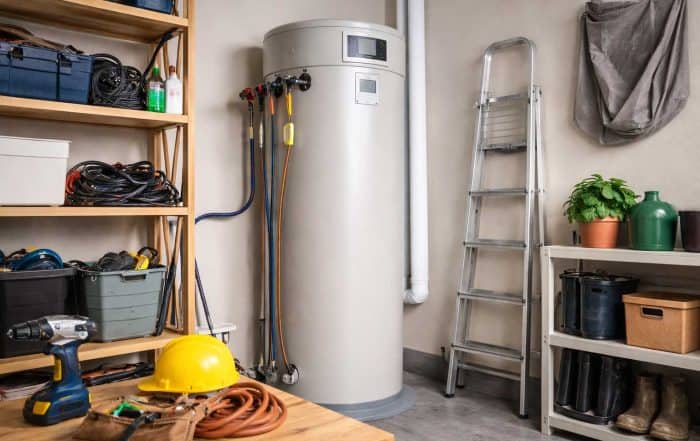
Hot water systems are often the hidden heavyweight in electricity consumption.
Storage hot water systems continuously maintain water temperature. Even when you are not actively using hot water, the system cycles to keep water heated. Over time, that adds up.
In Sydney homes, electric hot water can account for a substantial portion of total household electricity use.
Key considerations:
- Is your system on a controlled load tariff?
- Is it operating during peak billing periods?
- Is the thermostat set higher than necessary?
- Is the tank ageing and losing efficiency?
Controlled load tariffs can reduce running costs significantly by heating water during off-peak periods. The Australian Government’s Energy Made Easy website allows homeowners to compare tariffs and determine whether their current plan is cost-effective.
If you are unsure how your system is configured, we are happy to advise. In some cases, a review of wiring or load allocation can improve efficiency. In some cases, reviewing your electric hot water system wiring and upgrades may improve efficiency and ensure correct tariff configuration.
Pool Pumps and Outdoor Equipment in Sydney Homes
Sydney has one of the highest concentrations of backyard pools in Australia. While great for lifestyle, pool pumps can be a major contributor to electricity use.
Many pool pumps run longer than necessary. Standard pumps may run 6 to 8 hours daily, even when filtration needs are lower.
Common issues include:
- Outdated single-speed pumps
- Incorrect timer settings
- Pumps running during peak tariff periods
- Poor maintenance reducing efficiency
Modern variable-speed pumps are significantly more efficient. Even simple timer adjustments can reduce unnecessary usage.
If you are unsure how your outdoor circuits are configured, or whether your pool equipment is optimised, a review during a routine inspection can identify potential improvements.
Kitchen Appliances That Drive Up Sydney Electricity Bills
Kitchens contain several high-load appliances, but frequency of use determines overall impact.
Ovens and Cooktops
Electric ovens and induction cooktops draw substantial power while operating. However, because they are typically used for limited periods, they often contribute less than people expect overall.
Refrigerators
Refrigerators run continuously. An older fridge, especially one over ten years old, may consume far more electricity than modern energy-efficient models.
Positioning also matters. Fridges placed near ovens or in poorly ventilated spaces work harder and draw more energy.
Dishwashers and Clothes Dryers
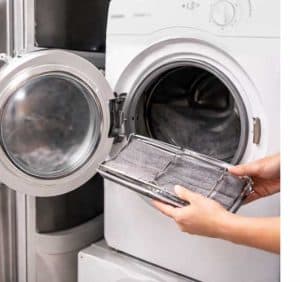 Clothes dryers, particularly older vented models, are high-consumption appliances. If used daily, they can noticeably increase bills.
Heat pump dryers are more efficient, though they come at a higher upfront cost.
Standby Power and Always-On Devices in Sydney Households
Standby power is often underestimated.
Televisions, gaming consoles, routers, alarm systems, smart home hubs, and chargers draw small amounts of electricity continuously. Individually, the consumption is minimal. Collectively, over months and years, it becomes meaningful.
Smart plugs and smart meter data allow homeowners to monitor this background usage.
If your smart meter shows consistent overnight consumption that seems higher than expected, standby load is often the reason.
How Smart Meters Help Sydney Homeowners Track Usage
Smart meters provide near real-time electricity usage data. Unlike older accumulation meters, they allow you to see when electricity is being used, not just how much.
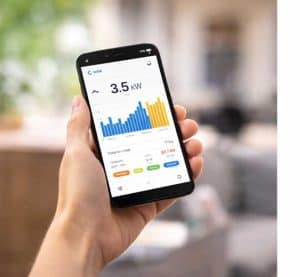
This makes it easier to:
- Identify peak consumption periods
- Shift usage to off-peak times
- Monitor solar exports
- Compare usage across seasons
Faraday recommends homeowners visit Energy Made Easy, an Australian Government comparison tool, to review tariff options and determine whether your plan aligns with your usage patterns.
In some cases, installing or upgrading to a smart meter provides better visibility and billing accuracy. If you are considering a switch or have questions about your existing meter, we can help clarify your options.
If you are unsure how your current meter is configured, our team can assist with smart meter installation and compliance support in Sydney.
How to Reduce Electricity Use in Sydney Homes Without Sacrificing Comfort
Reducing electricity use does not require extreme lifestyle changes.
Practical steps include:
- Servicing air conditioning systems annually
- Using timers for pool pumps
- Ensuring hot water systems are correctly configured
- Replacing outdated appliances with higher star-rated models
- Switching heavy usage to off-peak periods
- Checking insulation and sealing drafts
A comprehensive review of your home’s electrical system can also reveal inefficiencies. A comprehensive home electrical safety inspection in Sydney can identify overloaded circuits, ageing wiring, or outdated switchboards before they become costly issues.
When to Speak to a Licensed Electrician in Sydney
If you notice any of the following, it is worth seeking professional advice:
- Electricity bills increasing without clear explanation
- Circuit breakers tripping when large appliances operate
- Flickering lights under load
- An ageing switchboard
- Solar systems not performing as expected
Sometimes the solution is simple. Sometimes a deeper load assessment is required.
Either way, having clarity around your home’s electricity use puts you in control.
Taking Control of Your Sydney Home’s Electricity Use
The appliances that use the most electricity in Sydney homes are often the ones running quietly in the background. Air conditioning, hot water systems, pool pumps, and always-on devices typically outweigh occasional high-power appliances.
With the right information, smart monitoring tools, and professional guidance where needed, it is entirely possible to reduce electricity use without compromising comfort.
If you would like advice on smart meters, load balancing, switchboard upgrades, or a general electrical review, we are happy to help. Our licensed Sydney electricians can assess your setup and provide straightforward recommendations suited to your property.
Understanding your electricity use is not just about saving money. It is about running a safer, more efficient home.