Test and Tag Electrician Sydney: Your Guide to Workplace Electrical Safety
Electrical safety is not something businesses can afford to take lightly. In Greater Sydney, every workplace must ensure that portable electrical equipment is safe and compliant, and the most recognised way to achieve this is through regular testing and tagging. Whether you run a warehouse, a school, a corporate office, a retail space, or an industrial workshop, your business has a legal and practical responsibility to protect staff, contractors, visitors, and property from electrical hazards.
This updated guide explains what Test and Tag actually involves, why compliance matters, and what to expect when you hire a licensed Test and Tag electrician in Sydney. With more than 60 years of experience working across commercial and industrial sites, Faraday Group offers reliable testing services supported by accurate reporting, practical advice, and same-day response when needed.
What Test and Tag Means for Sydney Workplaces
Test and Tag involves two essential steps:
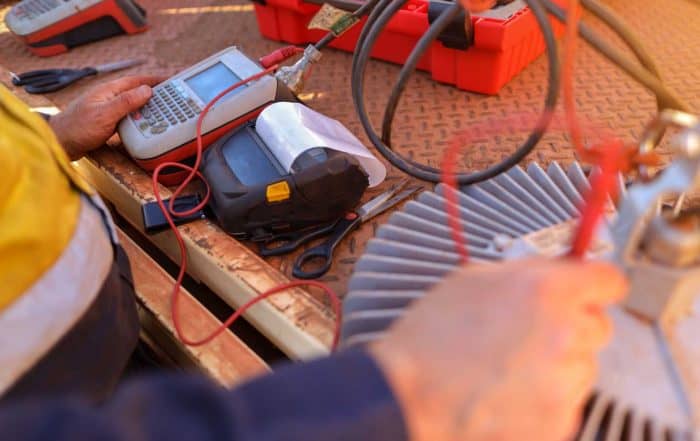
- Electrical testing, where a licensed electrician uses specialised equipment to assess whether an appliance or extension lead is safe for ongoing use.
- Tagging, where a durable label is attached showing the test date, status, next due date, and the electrician’s details.
Under the Australian Standard AS/NZS 3760:2022, businesses must ensure regular inspection and testing of electrical equipment to reduce the risk of shock, fire or equipment failure. You can read more about the standard here:
The goal is simple: identify faults before they turn into hazards, and document that your business is doing so.
Why Businesses Need a Test and Tag Electrician in Sydney
Sydney’s commercial and industrial environments use a wide variety of electrical equipment. Much of it is portable or flexible, including:
- Power tools
- Extension leads and power boards
- IT equipment such as monitors, chargers and computers
- Commercial kitchen appliances
- Cleaning equipment (vacuums, polishers etc)
- High-load machinery in workshops and warehouses
Every one of these items can deteriorate over time due to heat, dust, vibration, moisture exposure or general wear. Test and Tag ensures they are still safe to use.
A licensed electrician can identify issues that cannot be seen from the outside, such as internal wiring faults, insulation breakdown or earth leakage. These are the types of problems that lead to fires and electric shock incidents.
Key Benefits of Regular Test and Tag Services
1. Compliance with Australian Regulations
Test and Tag is not simply best practice. For most businesses, it is a requirement under Work Health and Safety legislation. SafeWork NSW expects employers to provide a safe environment, and testing portable electrical equipment is part of that duty of care.
You can get further information from SafeWork Australia HERE.
2. Keeping Employees and Visitors Safe
Faulty wiring, damaged plugs or frayed leads can injure users instantly. With high traffic in offices, schools and workshops, appliances are moved, bumped, or mishandled daily. Early detection prevents accidents and keeps your workplace safe.
3. Evidence for Insurance and Incident Reporting
If an incident occurs, insurers and regulators will ask whether your equipment was correctly maintained. Documented Test and Tag reports demonstrate that your business met its legal obligations.
4. Reduced Business Downtime
Equipment failure disrupts productivity. Regular testing helps identify early signs of deterioration so items can be repaired or replaced before they cause downtime.
5. Protecting Expensive Equipment
Electrical faults can damage connected devices. Testing prevents small problems from becoming costly equipment failures.
What to Expect From a Faraday Group Test and Tag Service
Faraday Group provides a structured, compliant service tailored to commercial environments across Greater Sydney. Here is what businesses can expect:
Professional Inspection and Testing
Every appliance is visually inspected for external faults, then tested using calibrated equipment designed to identify internal defects.
Accurate Compliance Tagging
Each tag shows:
- Test date
- Pass or fail status
- Next due date
- Electrician’s licence number
These records stay visible for staff and auditors.
Detailed Reporting
Faraday provides digital and printable reports listing every item tested, its location, and its status. This reporting is essential for WHS documentation and insurance requirements.
Scheduled Test and Tag Programs
For workplaces with ongoing needs, Faraday can schedule periodic testing so you never miss a required date. This is ideal for schools, large warehouses, multistorey office buildings and sites with rotating equipment.
Same-Day Service Across Greater Sydney
In urgent situations, Faraday can provide same-day testing to address safety concerns or prepare your business for audits, certifications or upcoming inspections.
Thermal Imaging Where Relevant
For high-load equipment or switchboards, thermal imaging may be recommended to identify hotspots that indicate hidden electrical faults. While not part of the standard Test and Tag process, it is an effective add-on for certain environments.
How Often You Need Test and Tag in NSW
Testing frequency under AS/NZS 3760 depends on the environment:
- Construction sites: every 3 months
- Factories, workshops and manufacturing: every 6 months
- Offices, retail and schools: every 12 months
- Hostile environments (dust, heat, vibration, moisture): more frequently as recommended by your electrician
High-risk environments require shorter intervals because equipment is exposed to harsher conditions. Offices and schools, although lower risk, still require annual testing.
For NSW-specific safety information, the NSW Government page provides some clear guidelines.
Common Items That Require Test and Tag in Workplaces
- Extension leads
- Power boards
- Computer monitors, laptops and chargers
- Printers and photocopiers
- Heaters and fans
- Cordless tool chargers
- Kitchen appliances
- Commercial cleaning equipment
- Tools in workshops
- Portable machinery
If it plugs in, is portable, or has a flexible lead, it needs to be tested.
What Happens if an Item Fails a Test?
When an item fails, it must be removed from service immediately. Faraday tags failed equipment clearly and can provide advice on repair or replacement. In some cases, a simple plug replacement or cord repair can resolve the issue, but major faults often mean full replacement.
Test and Tag and Level 2 Work: When It Matters
Although Level 2 work is not usually required for Test and Tag, it becomes relevant if your business experiences supply issues, faults at the point of attachment, or damage caused by overloaded circuits or poorly maintained equipment.
Faraday’s Level 2 capability ensures your business has access to more advanced support if deeper network issues arise.
Why Choose Faraday Group as Your Test and Tag Electrician in Sydney?
- Over 60 years serving Sydney businesses
- Licensed electricians, not unqualified testers
- Clear, accurate reporting and documentation
- Friendly and professional service
- Same-day attendance where required
- Honest guidance without upselling
- Comprehensive commercial electrical expertise
With Faraday, you get more than a sticker on a lead. You get a partner focused on workplace safety, compliance, and long-term reliability.
Simple, Safe and Secure
Test and Tag is one of the simplest ways businesses can maintain a safe workplace and meet legal responsibilities. Whether you manage a school, a warehouse, a busy office, or a retail store, regular testing protects people, property and productivity. Faraday Group offers reliable, knowledgeable and fully compliant Test and Tag services across Greater Sydney.
If your business is due for testing or you want to schedule a structured program, Faraday’s team is ready to assist.
FAQ’s
How often do I need Test and Tag in NSW?
Testing frequency depends on your environment. Offices, retail spaces and schools generally require testing every 12 months. Workshops, warehouses and manufacturing areas usually require testing every 6 months. Construction sites require testing every 3 months.
Is Test and Tag a legal requirement in NSW?
Yes. Under Work Health and Safety laws, employers must maintain safe electrical equipment. Regular testing is the recognised method for demonstrating compliance.
Who is allowed to carry out Test and Tag?
Testing may be performed by a trained and competent person, but most businesses choose a licensed electrician to ensure accurate diagnosis, safer handling of faults, and reliable compliance documentation.
What happens during a Test and Tag service?
A licensed electrician visually inspects each appliance, tests it using calibrated equipment, and attaches a tag showing the status and next due date. A compliance report is also provided.
Do new appliances need to be tested?
New items do not require full testing but should be tagged as “new to service” and included in your next scheduled testing cycle.
What happens if an item fails the test?
Failed equipment is removed from service immediately. The electrician will advise whether it can be repaired or must be replaced.
Does Test and Tag include fixed electrical equipment?
No. Test and Tag applies to portable or flexible equipment. Fixed appliances require inspection by a licensed electrician.
Do hybrid or remote workers need Test and Tag?
If staff use company equipment in a home office, that equipment still falls under the employer’s duty of care. Annual testing is recommended.
Need a Test and Tag electrician in Sydney?
Contact Faraday Group today for a free quote, expert service and peace of mind.