7 Warning Signs That It’s Time to Rewire
When was the last time you thought about the wiring hidden behind your walls?
For most homeowners, the answer is probably “never”, and that’s perfectly understandable. Unlike a roof, a hot water system or a kitchen renovation, electrical wiring is out of sight and generally only gets attention when something goes wrong.
However, electrical wiring doesn’t last forever. As homes age and our demand for electricity increases, wiring that was perfectly adequate decades ago may no longer be suitable for modern living. Air conditioners, induction cooktops, electric vehicle chargers, home offices and entertainment systems all place greater demands on your home’s electrical system than previous generations could have imagined.
The good news is that your home will often provide warning signs before electrical problems become dangerous. Recognising those signs early can help prevent electrical faults, improve safety and avoid more expensive repairs later.
Here are seven signs that it may be time to have your home’s wiring professionally assessed.
1. Your Home Has Older Electrical Wiring
Age alone doesn’t automatically mean your home requires rewiring, but it is certainly one of the first things to consider.
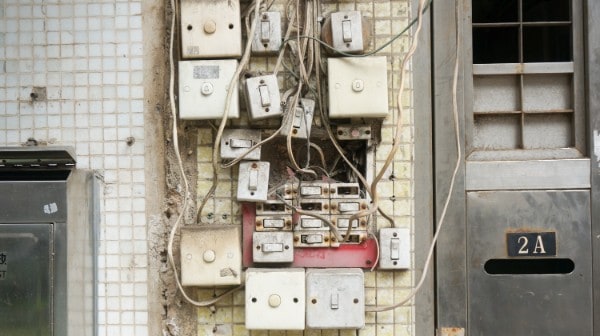
Many Sydney homes built several decades ago still contain original electrical wiring. While quality wiring can remain serviceable for many years, older systems were designed for a very different lifestyle.
Today’s households often run:
- Multiple televisions
- Computers and home offices
- Reverse-cycle air conditioning
- Large kitchen appliances
- Home entertainment systems
- Electric vehicle chargers
- Smart home devices
- Solar power systems
If your home’s wiring hasn’t been substantially upgraded for many years, it may not have been designed for these electrical loads.
A licensed electrician can inspect your wiring and advise whether it remains safe or whether upgrades should be considered.
2. Circuit Breakers or Safety Switches Trip Regularly
Occasionally tripping a circuit breaker isn’t unusual.
Circuit breakers and safety switches are designed to protect your home by disconnecting power when they detect an overload or electrical fault.
However, if you’re frequently resetting breakers or your safety switch keeps tripping, it’s a sign that something isn’t right.
Possible causes include:
- Overloaded circuits
- Damaged wiring
- Faulty appliances
- Loose electrical connections
- Moisture entering electrical components
Rather than continually resetting the switch, it’s worth having the cause investigated. Repeated tripping is your electrical system telling you that it needs attention.
3. Your Lights Flicker or Dim
Lights that flicker occasionally during severe weather may simply be related to your electricity supply.
However, if lights regularly dim when appliances start, flicker for no obvious reason or vary in brightness throughout the day, the problem could lie within your home’s electrical system.
This may indicate:
- Loose wiring
- Failing electrical connections
- Overloaded circuits
- Voltage fluctuations
- An ageing switchboard
If the issue affects multiple rooms rather than a single light fitting, it’s worth arranging an inspection before the problem develops further.
4. Power Points or Light Switches Feel Warm
Power points and light switches should never become noticeably hot during normal use.
Warmth, buzzing sounds, burning smells or brown discolouration around fittings can all indicate excessive heat developing behind the wall.
This may result from:
- Loose terminals
- Damaged wiring
- Overloaded circuits
- Worn electrical components
These problems should never be ignored.
If you notice any of these warning signs, stop using the affected outlet if possible and arrange for a licensed electrician to inspect it as soon as practical.
5. You’re Constantly Using Extension Leads and Power Boards
Most older homes simply weren’t designed for the number of electrical devices we now use every day.
If extension leads permanently run across rooms or power boards are plugged into almost every outlet, your electrical system may no longer suit the way your family lives.
While quality power boards are perfectly acceptable for temporary use, relying on them permanently may indicate that your home needs:
- Additional power points
- Dedicated appliance circuits
- A switchboard upgrade
- Electrical rewiring in some areas
It also reduces the temptation to overload individual outlets, which can become a fire risk.
6. Your Switchboard Is Showing Its Age
Your switchboard is the heart of your home’s electrical system.
If it’s still fitted with old ceramic fuses or lacks modern safety switches (RCDs), it may no longer provide the level of protection expected in today’s homes.
An ageing switchboard may struggle to support:
- Air conditioning
- Electric ovens
- Induction cooktops
- Pool equipment
- Solar installations
- EV chargers
- Home batteries
Many rewiring projects also include a switchboard upgrade to ensure the entire electrical system works safely together.
If you’re unsure what type of switchboard you have, a licensed electrician can explain your options during an inspection.
7. You’re Renovating or Buying an Older Home
Major renovations provide an ideal opportunity to inspect existing wiring before new walls, kitchens or bathrooms are installed.
Likewise, if you’re purchasing an older property, arranging an electrical inspection can reveal issues that aren’t immediately visible during an open home.
An inspection may identify:
- Ageing wiring
- Previous DIY electrical work
- Damaged insulation
- Inadequate earthing
- Missing safety switches
- Circuits that no longer meet current requirements
Addressing these issues before renovation work begins is often simpler and more cost-effective than discovering them later.
Does Every Older Home Need Rewiring?
Not necessarily.
Some homes only require localised repairs or partial upgrades. Others may simply benefit from additional circuits or a modern switchboard.
A full house rewire is generally recommended when wiring has deteriorated, has become unsafe, or can no longer support the home’s electrical requirements.
The only reliable way to determine this is through a professional inspection by a licensed electrician.
Rather than making assumptions based solely on the age of the property, an electrician can assess the condition of the wiring and recommend the most appropriate solution.
Why Professional Electrical Work Matters
Electrical work in Australia must be carried out by appropriately licensed electricians.
Attempting DIY electrical repairs isn’t simply dangerous. It is also illegal in NSW.
Professional electricians have the equipment and experience to:
- Test existing wiring
- Locate hidden faults
- Assess switchboard capacity
- Check earthing systems
- Identify overloaded circuits
- Recommend practical upgrades that comply with current Australian Standards
Most importantly, they can identify problems before they become safety hazards.
When Should You Call an Electrician?
If you’ve noticed one or more of these warning signs, it’s worth arranging a professional assessment.
Even if your wiring doesn’t require a complete rewire, an inspection may identify smaller issues that can be corrected before they develop into more serious problems.
Faraday Group has been helping Sydney homeowners for more than 60 years with electrical inspections, switchboard upgrades, safety improvements and complete house rewiring where required.
Whether you’re renovating, purchasing an older property or simply concerned about the condition of your home’s electrical system, our licensed electricians can provide honest advice and practical recommendations tailored to your home.